


Rotator Cuff Surgery Prep and Recovery: A Week-by-Week Guide from Dr. Gregory Drake
By Dr. Gregory Drake
These are Dr. Gregory Drake’s official pre- and post-surgical instructions for patients recovering from arthroscopic rotator cuff repair at Level Up Shoulder in the Chicago area
If you’ve been scheduled for rotator cuff surgery with Dr. Gregory Drake, this page is your complete guide to what happens before and after your procedure.
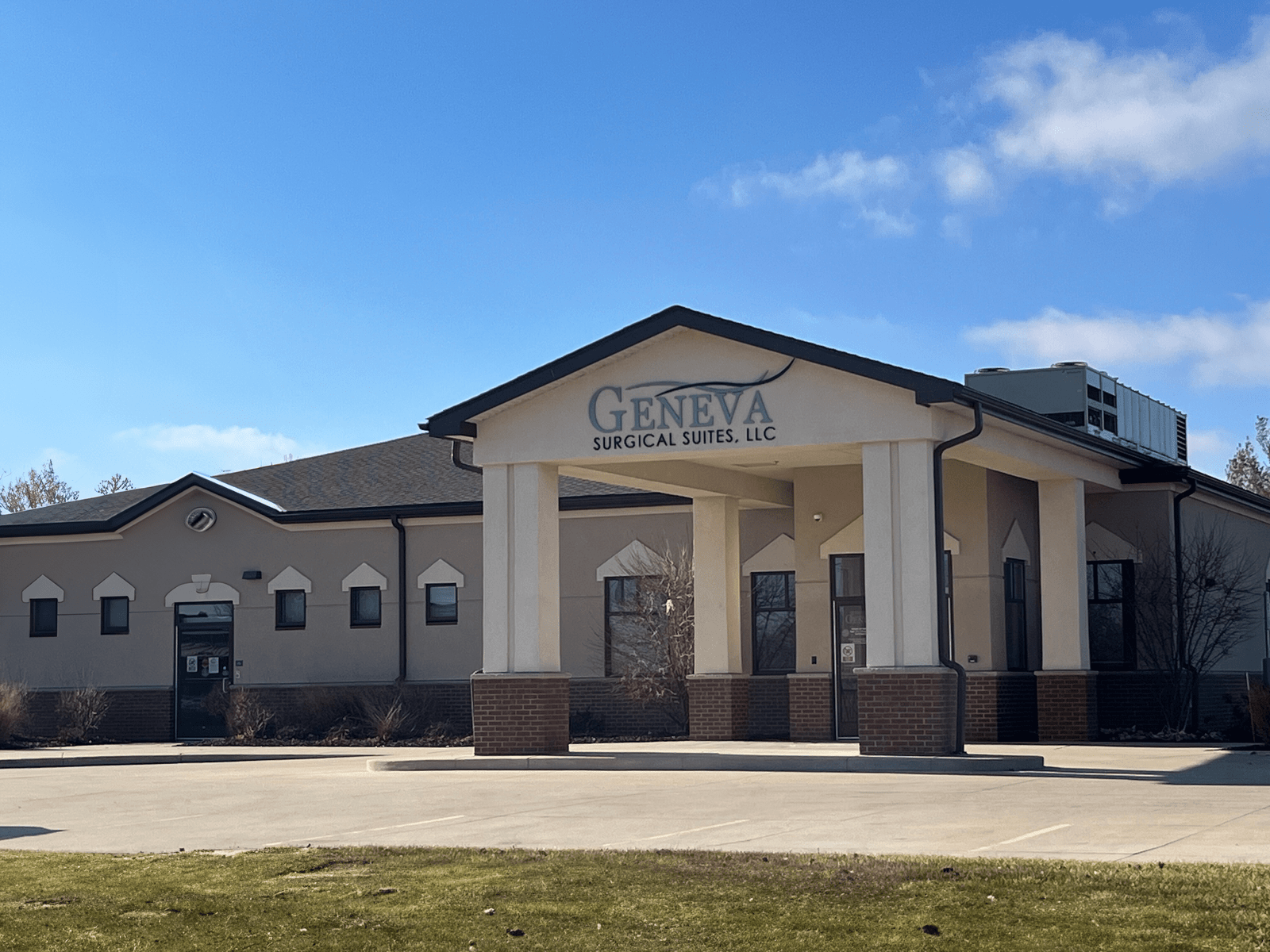
Recovery from arthroscopic rotator cuff repair is a gradual, staged process; you’ll be in a sling for up to 6 weeks, begin physical therapy between weeks 2 and 6 depending on tear size, and typically return to sports and heavy work at the 6-month mark. Dr. Drake performs rotator cuff repairs arthroscopically at Ascension Alexian Brothers Medical Center in Elk Grove Village, Ascension St. Alexius Medical Center in Hoffman Estates, Advocate Good Shepherd Hospital in Barrington, and Geneva Surgical Suites in Genoa City, Wisconsin
Preparation for Surgery
Medical clearance from your primary care physician is required for all patients and must be completed at least 2 weeks before and no more than 30 days prior to surgery. If you are scheduled to see your physician less than 14 days prior to surgery, this may result in your surgery being delayed.
If you have any underlying cardiac conditions/history, you will also be required to obtain cardiac clearance prior to surgery.
We encourage you to have your presurgical testing done at the hospital prior to seeing your primary care physician, as many primary care offices are no longer performing blood work or EKG’s in their office.
Seven days prior to surgery, please do not take any anti-inflammatory (NSAID) medications (Celebrex, Ibuprofen, Aleve, Naprosyn, Advil, Aspirin, etc.) as this could result in increased bleeding during surgery. If you are on blood thinners these will also need to be stopped prior to surgery. Timing will need to be
coordinated with the prescribing physician and Dr. Gregory Drake.
Do not eat or drink anything after midnight the day before surgery. You may take a small sip of water the morning of surgery to take your normal medications. This includes your blood pressure medicine, which in general should be taken. Consult your primary care doctor regarding medication and insulin instructions
prior to surgery.
Post-operative pain medication will be sent to your pharmacy prior to the date of surgery. We recommend you pick up your prescriptions at least 2 days before surgery in the event there is a shortage of medication at your preferred pharmacy.
Post-Surgical Instructions
There will be a big bulky dressing covering the shoulder which cannot be removed until the 3rd day after surgery. Once the bulky dressing is removed, you will see steri-strips resembling tape over the incision sites on your shoulder. You may now shower and get the steri-strips wet, however do not scrub the area and no soaking in a bath or hot tub. The steri-strips should remain intact on your shoulder until your post-operative appointment 10-14 days following surgery.
You must remain in your sling during the day and night for 6 weeks. The sling may be removed for showering and performing pendulum exercises.
Pendulum exercises may begin the day after your surgery and should be performed 5 times per day. In addition to pendulum exercises, you may perform gentle elbow flexion/extension and finger/wrist range of motion. (Refer to pendulum exercise link)
Narcotic pain medications are prescribed if Tylenol is inadequate (Narcotic pain medications will cause constipation, so be proactive with stool softeners and laxatives). We will not refill pain medications over the weekend or after hours. Anticipate the need for medication refills.
Physical therapy will begin 2-6 weeks post operatively depending on the size of your tear.
You may drive as soon as it is comfortable to do so, which is usually after about two weeks following discharge from the hospital. You SHOULD NOT DRIVE while under the influence of pain medications. You may remove your sling to drive; however your surgical arm should remain at the bottom of the steering wheel.
Do not take NSAID medications (Ibuprofen, Naprosyn, etc.) or Cox-2 inhibitors (i.e. Celebrex) for 3 months following surgery unless approved by Dr. Gregory Drake.
Follow Up
Text Level Up Shoulder at (847-750-5255) or schedule online to book your routine postsurgical visit for 10-14 days after surgery with Dr. Gregory Drake’s physician assistant, Steve.
Patients will be seen by Steve (Dr. Gregory Drake’s PA) for the first two visits after surgery at 2 and 6 weeks. Dr. Gregory Drake will see patients at the 3 month postoperative appointment.
Please call your Dr. Gregory Drake’s staff at Level Up Shoulder or your physician’s office immediately with any problems or go to the emergency room if you develop:
-
Drainage and increased pain at the incision site
-
Fever greater than 101.5 degrees F
-
Swelling and tenderness in your legs, as this could be indicative of a blood clot
Precautions for Arthroscopic Rotator Cuff Repairs:
Surgery to week 2: Remain in your sling and allow the shoulder to rest and heal. There is to be no active use of the shoulder. You may initiate pendulum exercises the day after surgery. Pendulum should be performed 5 times per day to avoid developing a frozen shoulder.
Post op week 2-6: Remain in your sling. There is still no active use of the arm. Physical therapy will begin for passive range of motion (PROM), meaning your therapist will move your arm for you.
Post op week 6-12: At 6 weeks following surgery you may discontinue the use of your sling; however, you are to continue to avoid active use of your arm for an additional 6 weeks. Physical therapy will continue to advance your passive range of motion (PROM) to active assist range of motion.
Post op week 12-16: You may begin using your arm for active range of motion (AROM) and day to day light activities around the house. Physical therapy will continue with an emphasis on strengthening. You are to continue to avoid heavy lifting until cleared by Dr. Gregory Drake.
Goal for Return to Work & Sports:
Patients may return to sport and heavy work activities 6 months post-operatively, depending on the size of the tear and specific job requirements.
Surgical Office Locations
 262-295-1213
 Directions
Alexian Brothers Medical Center
800 Biesterfield Rd.
Elk Grove Village, IL 60007