


Everything You Need To Know About Your Reverse Shoulder Procedure
By Dr. Gregory Drake
Serving Elk Grove Village, Hoffman Estates, and the Northwest Chicago Suburbs
Healthy
Arthritic Shoulder with a Rotator Cuff Tear
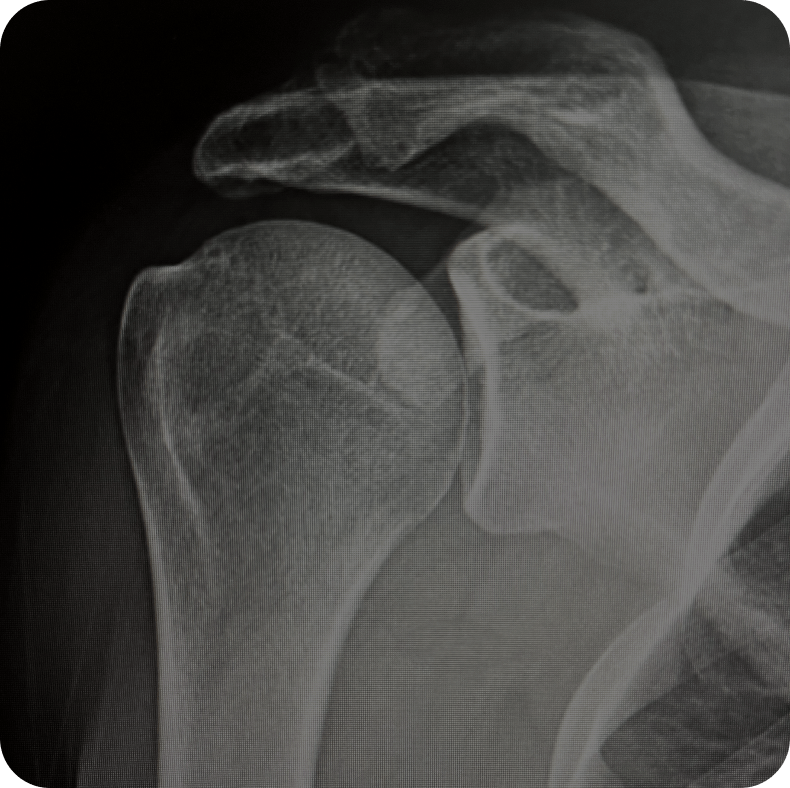
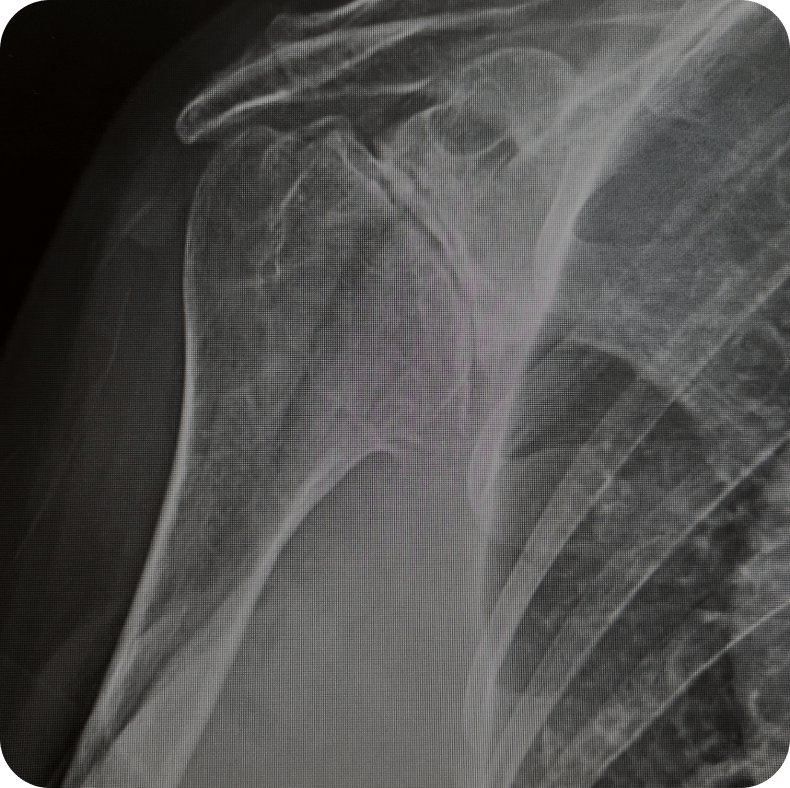
Healthy
Arthritic Shoulder w/ a Rotator Cuff Tear
Quality Reverse Shoulder Replacement Surgeon In Chicago
A reverse total shoulder replacement is designed for patients that have arthritis in the shoulder combined with a rotator cuff tear. Often, patients with complex fractures benefit from a reverse shoulder replacement. Dr. Gregory Drake’s goal is not only to eliminate pain but restore motion and get his patients back to normal activities.
His resume is impressive: He has performed 100’s of successful total shoulder replacements, won the American Shoulder and Elbow Surgeon’s prestigious Neer Award, graduated the summa cum laude, and has written for major medical journals such as The Journal of Shoulder and Elbow Surgeons. With Dr. Gregory Drake, you’ll learn what it means to have one of the best shoulder replacement surgeon in Chicago and the Chicagoland area on your team.
Indications You Are A Reverse Shoulder Replacement Candidate
If you match these indications, you may benefit from a full shoulder replacement:
Intense shoulder pain with loss of strength and range of motion, causing seemingly simple tasks around the house to be difficult.
Non surgical or conservative measures have failed to provide pain relief. Treatments such as physical therapy, injections, medications, and alternative methods have failed to give a long lasting solution.
Non-smoker. Smoking increases the chances of post-surgical complications. It’s advised you quit smoking pre-surgery for best results.
Committed to post-surgical rehabilitation. Shoulder replacement is a timely investment that requires patients to attend physical therapy. Carelessness may lead to further complications, stalling the healing process.
Healthy nerves. Nerves are vital to recovery. Significant spinal, shoulder, arm, or hand nerve damage may make you ineligible for shoulder replacement.

Reverse Total Shoulder Replacement (Shoulder Arthroplasty) Surgery Overview
Total shoulder replacement surgery consists of 6 simple, but yet complex steps:
1. The interval between the deltoid and pectoralis muscle is used so that soft tissue injury is spared. The surgery takes place between the muscles, instead of through a muscle.
2. The rotator cuff tendon in the front of the shoulder is carefully incised in order to gain access to the arthritic joint.
3. The bone spurs on the ball and socket are carefully removed.
4. After preparing the arthritic surfaces, a new ball and socket are placed in the reverse orientation.
5. The rotator cuff in the front of the shoulder is carefully repaired.
6. The joint is cleaned, and the skin is carefully repaired using a cosmetic type closure.
The surgery typically lasts 1 hour.
Recovery and Rehabilitation
After surgery, most patients go home on the same day. If a patient has health concerns, sometimes they are kept overnight for observation. If a drain is placed, patients will come to the office for removal.
Upon discharge from the hospital, a sling is recommended for 2 weeks following a reverse shoulder replacement. Patients are discharged with a short course of pain medication. Ice is recommended for pain relief as well. Early hand, wrist and elbow exercises are recommended. Follow-up with Dr. Gregory Drake’s physician assistant will occur 2 weeks and 6 weeks after the surgery. Physical therapy will start at 2 weeks after surgery. The patient will have follow-ups with Dr. Gregory Drake at 3 months, 6 months, and 12 months.
Risks and Complications
Shoulder replacement surgery has an exceptionally high success rate. Although rare, the operation may have complications such as an infection, fracture, bleeding, instability, nerve damage, and loosening of the prosthesis. Unique to the reverse shoulder replacement is an acromial stress reaction that can occur 2 weeks to 8 months following a replacement. If posterior shoulder pain develops after a seemingly benign rehabilitation course, stop therapy, return to wearing your sling and see us immediately. Dr. Gregory Drake and his staff are available and should be alerted if there is a concern.
Frequently Asked Questions
What should I expect after an arthroscopic rotator cuff surgery?
Following an arthroscopic rotator cuff surgery, you will be discharged the same day. A sling will be worn for 6 weeks, with pendulum exercises beginning on the first day after surgery. Pain medication, Tylenol and ice will be utilized to treat the pain and swelling. At 2 weeks after surgery, formal physical therapy will commence. One cannot actively use the shoulder for lifting, pushing, or pulling for 3 months following surgery, however, use of the hands for typing and light use can start immediately following the procedure. Driving may start once pain medications have been stopped. Full healing can take 6 months to a year.
What if physical therapy didn't work?
As with total shoulder replacement, failure of conservative treatment is a prerequisite for candidacy. If PT, injections, and medications haven’t provided relief, reverse shoulder replacement may be the right next step — and Dr. Gregory Drake will help you determine whether you’re a candidate.
What happens if I wait?
The combination of arthritis and a deficient rotator cuff leads to a progressive loss of strength and function. The longer treatment is delayed, the more muscle atrophy can occur, which can affect both the surgical outcome and the recovery process.
What are exercises for the rotator cuff after an arthroscopic repair?
Pendulum exercises are started immediately following the procedure. At 2 weeks following the procedure, formal physical therapy will begin. Passive range of motion is initiated and continues until the three-month mark. At that time, active range of motion of the shoulder may begin. The physical therapist will also begin strengthening the shoulder at 3 months following the repair.